


Suspension Upgrades for Towing


Air Springs
Air springs are rubber bellows that use compressed air to support loads, absorb road vibrations, and maintain a constant ride height in vehicle suspensions.
-
How They Work: An air compressor and air lines supply pressurized air to the bags, which can be adjusted to change ride height on demand. Increase stiffness when hauling heavy loads or soften the ride for comfort.
Air Compressor Systems
Control your air springs with an on board compressor system. Adjusts the ride for various load and road conditions with with a flip of a switch, a click on a remote, or a tap on your phone.
-
Single-Path Systems: Simultaneously inflates/deflates the left and right air springs equally, providing a smoother and safer ride by ensuring that your vehicle remains level and stable under heavy loads.
-
Dual-Path Systems: Allows individual, independent adjustment of each air spring. Perfect for users with uneven or top-heavy loads.
Helper Springs
Helper Springs are designed to make hauling heavy loads safer by maintaining a level ride height. Towing and hauling heavy loads can cause the rear end of your truck to sag which leads to decreased control, increased wear and tear on rear end suspension and braking components, light steering response and difficulty braking.
Sway Bars
Sway bars are designed to resist a vehicle’s tendency to pitch from side to side during cornering, designed to minimize your trailer's side-to-side movement caused by wind, passing trucks, or uneven roads.
Bump Stops
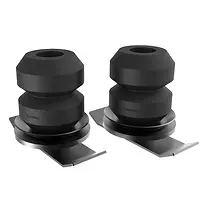
Bump stops are rubber cushions placed between a truck's frame and axle to prevent harsh metal-on-metal contact when the suspension bottoms out under heavy loads. While standard bump stops protect components from damage, upgraded towing bump stops provide stability, reduce rear-end sag, and improve ride comfort by supporting the load.

Brands


